AUREVION ENERGY
Flexible energy starts with storage
Battery energy storage can move electricity through time. It may absorb energy when supply is abundant and discharge when demand or grid conditions call for flexibility, subject to system design and market rules.
SOLUTION OVERVIEW
Why storage
Battery energy storage can move electricity through time. It may absorb energy when supply is abundant and discharge when demand or grid conditions call for flexibility, subject to system design and market rules.
THE NEED
Why storage
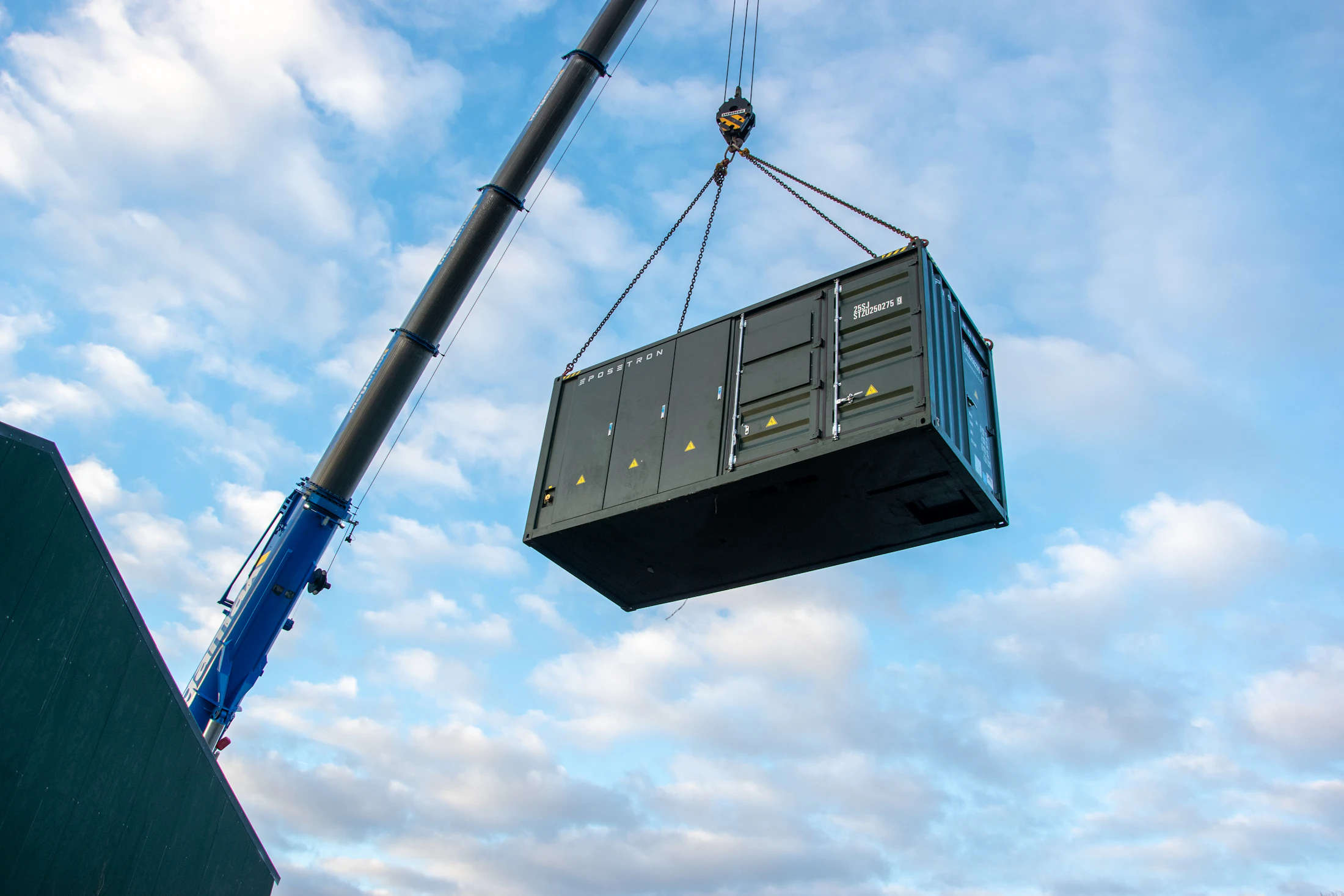
Renewable generation varies with weather and time. Batteries can shift energy, respond quickly and provide controllable power, but their value depends on how the system is connected, operated and remunerated.
HOW IT WORKS
A system designed around a duty
The design brief defines use cases, power, energy duration, connection point, cycling expectations and safety requirements. Cell chemistry, inverter controls, thermal management, fire strategy and energy-management software are then selected in context.
Discuss an opportunity ↗POTENTIAL CONTRIBUTIONS
Value through considered design.
Outcomes depend on site conditions and a verified use case.
- +Shifts renewable electricity into later periods
- +Responds rapidly to changing system conditions
- +Can support site resilience and peak management
- +Combines with solar, wind or flexible demand
Typical applications
Where it can apply
- Grid-connected stand-alone systems
- Co-located renewable projects
- Commercial peak management
- Flexible grid service concepts
TECHNICAL & COMMERCIAL
Design & delivery considerations
Round-trip efficiency, usable state-of-charge window, degradation, warranties, fire protection, thermal controls, noise, grid-forming capability, recycling, connection studies and revenue uncertainty require careful review.
This website does not guarantee technical design, energy output or commercial returns. Each project requires specialist review.
DEVELOPMENT PATH
From evidence to delivery.
- 01
Screen
Resource, site and key constraints
- 02
Assess
Grid, environmental and technical work
- 03
Design
Specialist and stakeholder input
- 04
Delivery plan
Approvals, procurement and operations
Good to know
Good questions. Clear answers.
How long can a battery deliver energy?
Duration depends on its usable energy capacity, power rating, operating limits and state of charge.
Are batteries suitable for every site?
No. Connection capacity, fire strategy, space, noise, duty cycle and a credible use case all need review.
What happens at end of life?
The project should plan for reuse or recycling routes, supplier responsibilities and applicable waste rules.
NEXT STEP
Could this solution fit your needs?
Let’s discuss your site or energy needs.