AUREVION ENERGY
Wind energy with a long-term view
Wind projects require careful alignment of a strong resource, a viable grid connection and local context. Development is a long sequence of decisions where transparent studies and early engagement matter.
SOLUTION OVERVIEW
Why wind
Wind projects require careful alignment of a strong resource, a viable grid connection and local context. Development is a long sequence of decisions where transparent studies and early engagement matter.
THE NEED
Why wind
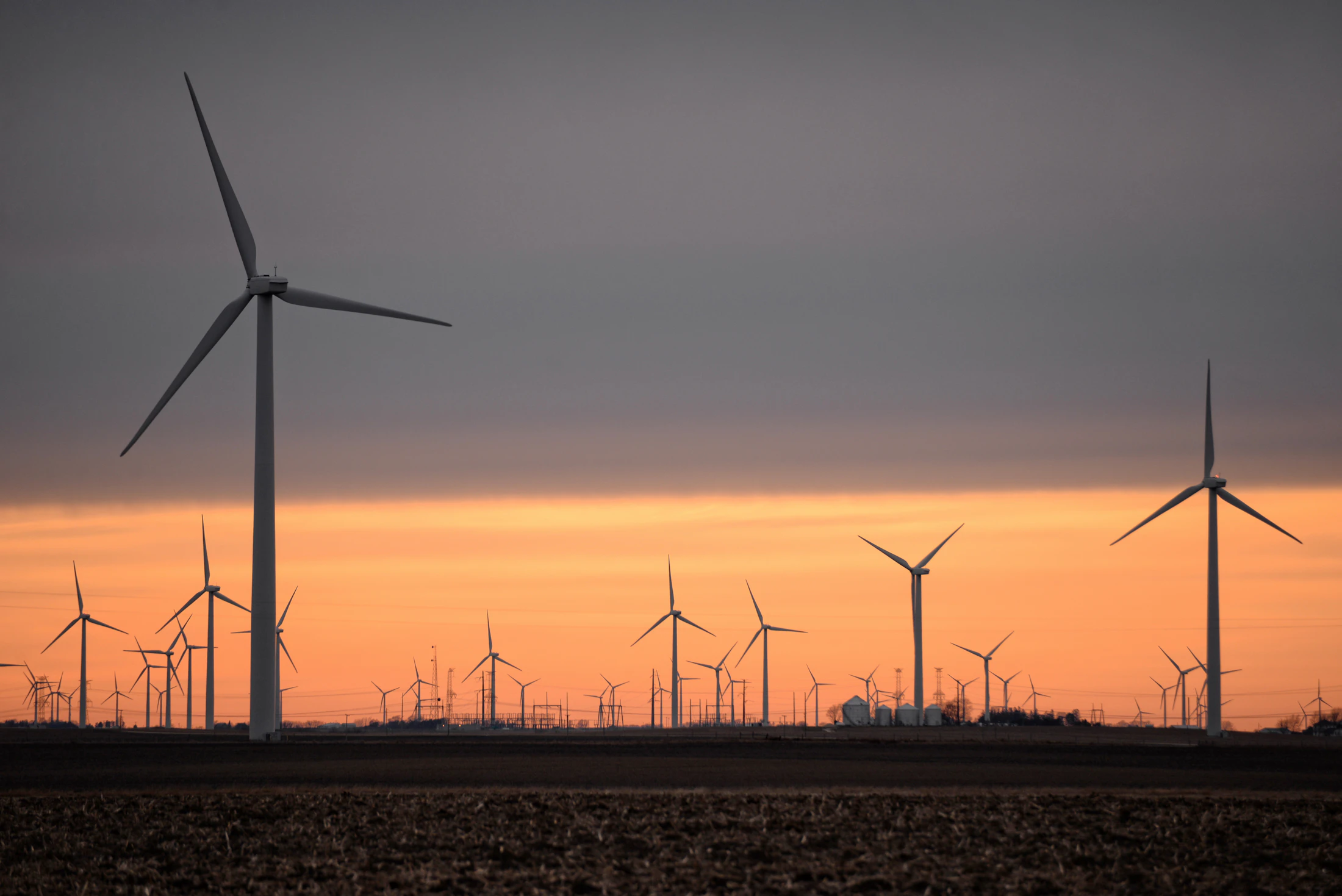
Wind can contribute substantial renewable electricity where resource, connection and local conditions align. Turbine siting affects both energy yield and people, landscapes, wildlife and aviation; those questions belong at the start.
HOW IT WORKS
From resource to layout
Screening combines wind-resource datasets with topography, land access, grid capacity, aviation and environmental constraints. Measurement campaigns and specialist studies refine the model. Layout options are assessed for wake effects, noise, shadow flicker, access and construction sequencing.
Discuss an opportunity ↗POTENTIAL CONTRIBUTIONS
Value through considered design.
Outcomes depend on site conditions and a verified use case.
- +Uses a renewable resource across varied landscapes
- +Can complement solar output across seasons and hours
- +Supports diversified generation portfolios
- +Enables staged decisions as evidence improves
Typical applications
Where it can apply
- Onshore wind developments
- Wind and solar hybrid systems
- Repowering assessments
- Flexible generation portfolios
TECHNICAL & COMMERCIAL
Design & delivery considerations
Wind speed distribution, turbulence, wake losses, turbine class, geotechnical conditions, transport routes, grid-code requirements, noise, shadow flicker, bird and bat surveys, aviation and community consultation all influence feasibility.
This website does not guarantee technical design, energy output or commercial returns. Each project requires specialist review.
DEVELOPMENT PATH
From evidence to delivery.
- 01
Screen
Resource, site and key constraints
- 02
Assess
Grid, environmental and technical work
- 03
Design
Specialist and stakeholder input
- 04
Delivery plan
Approvals, procurement and operations
Good to know
Good questions. Clear answers.
What determines turbine placement?
Wind data, terrain, wake effects, setbacks, access, grid position, environmental studies and community feedback inform the layout.
How long does development take?
There is no universal timeline. Measurement, studies, permits, grid processes and local consultation vary by jurisdiction.
Can wind share infrastructure with solar?
Potentially, if connection capacity, control systems, protection and permitting allow a safe and workable hybrid design.
NEXT STEP
Could this solution fit your needs?
Let’s discuss your site or energy needs.