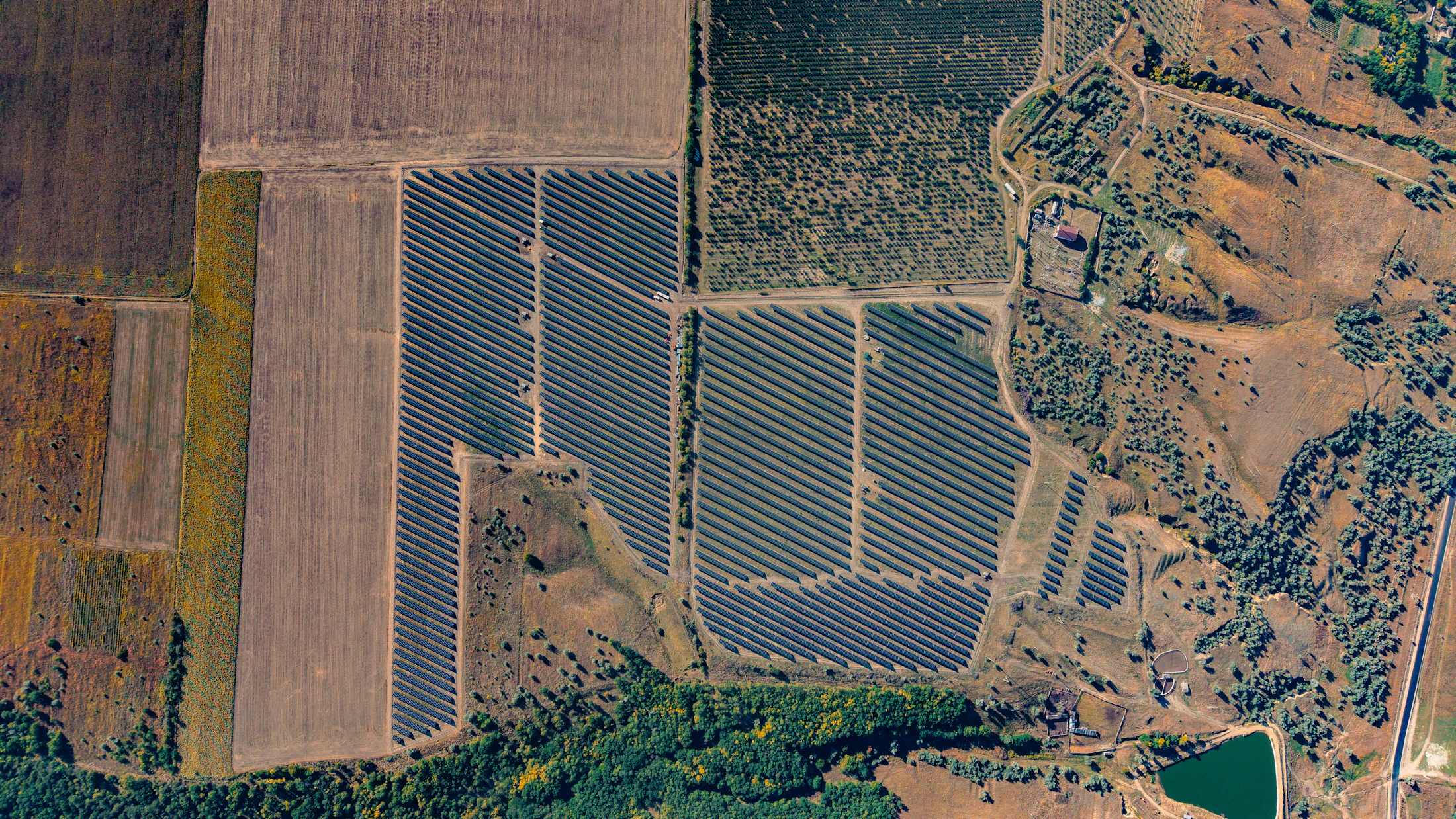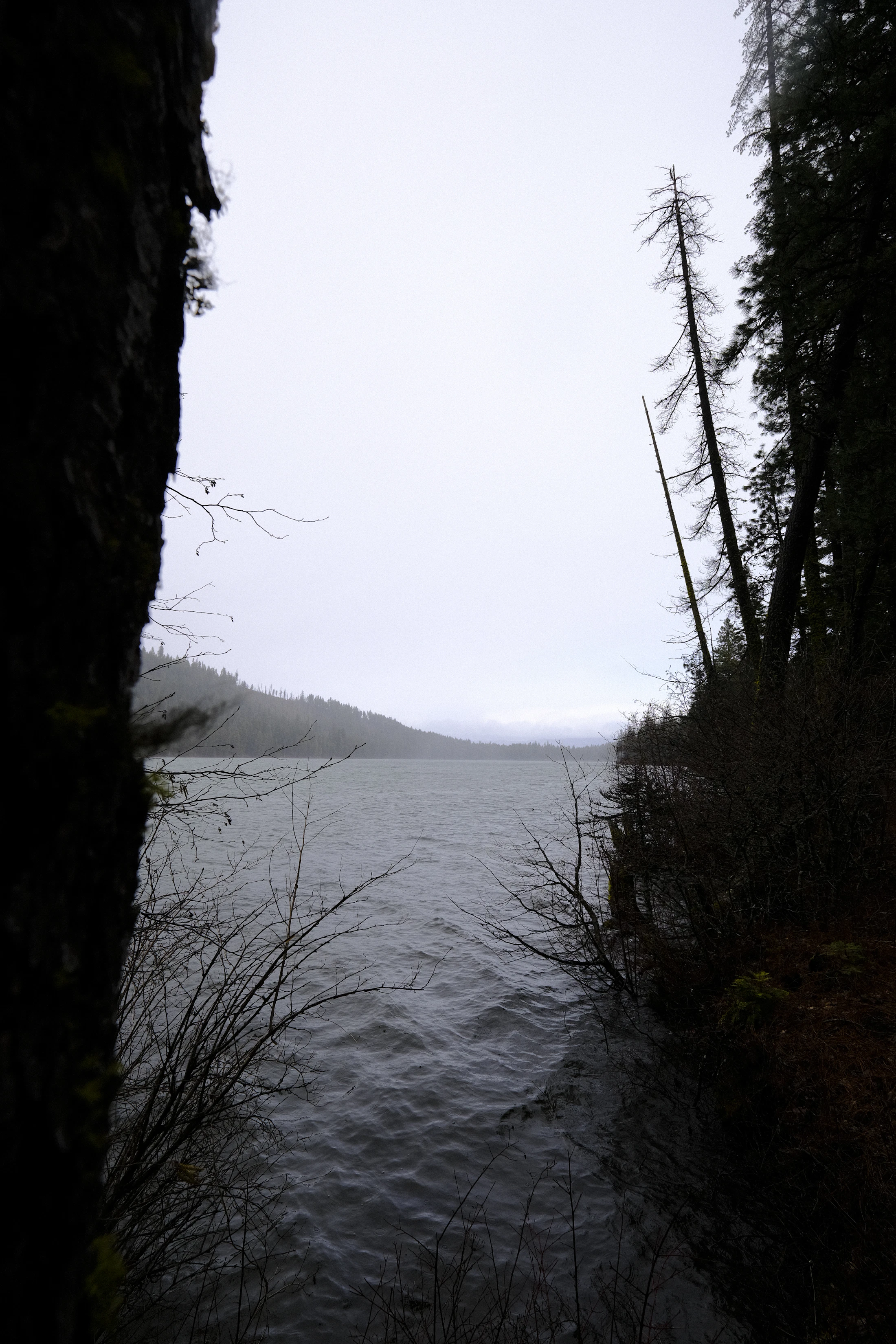
Environmental and community context can change the location, layout, schedule and even viability of an energy project. Early screening should identify sensitive habitats, land uses, water conditions, cultural heritage and nearby communities.
Specialist assessments then inform avoidance, minimisation, restoration and monitoring. The hierarchy matters: prevention is generally preferable to relying on mitigation after a design has been fixed. Data gaps and seasonal survey windows must be acknowledged.
Engagement should be accessible and two-way. Share what is known, explain what remains uncertain, provide channels for questions and record how feedback informs decisions. Engagement is not a substitute for statutory consultation or consent.
Transparent reporting describes methods, limitations, incidents and corrective actions. Claims should be proportionate to evidence and should distinguish planned actions from measured outcomes.
← All articles