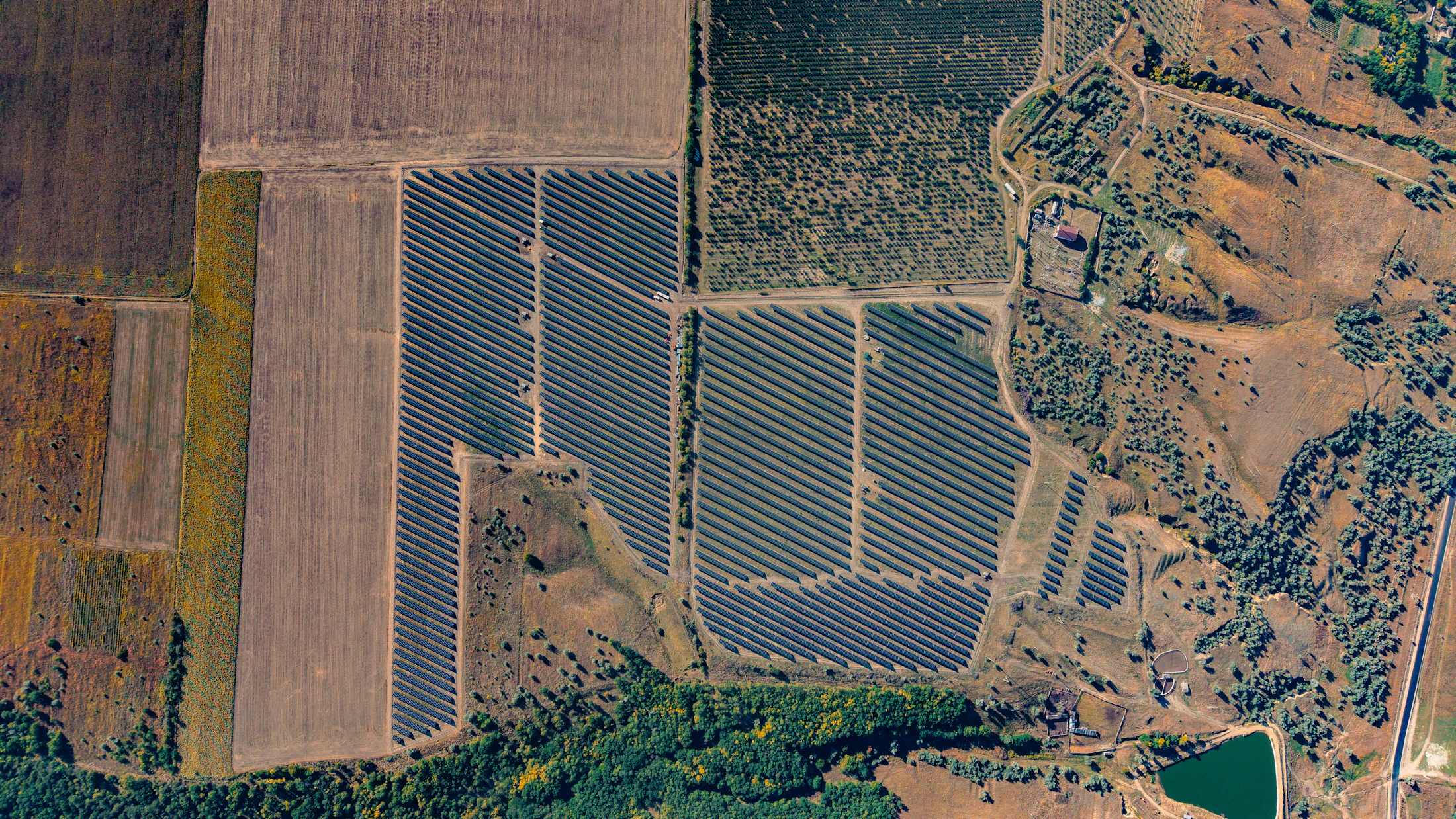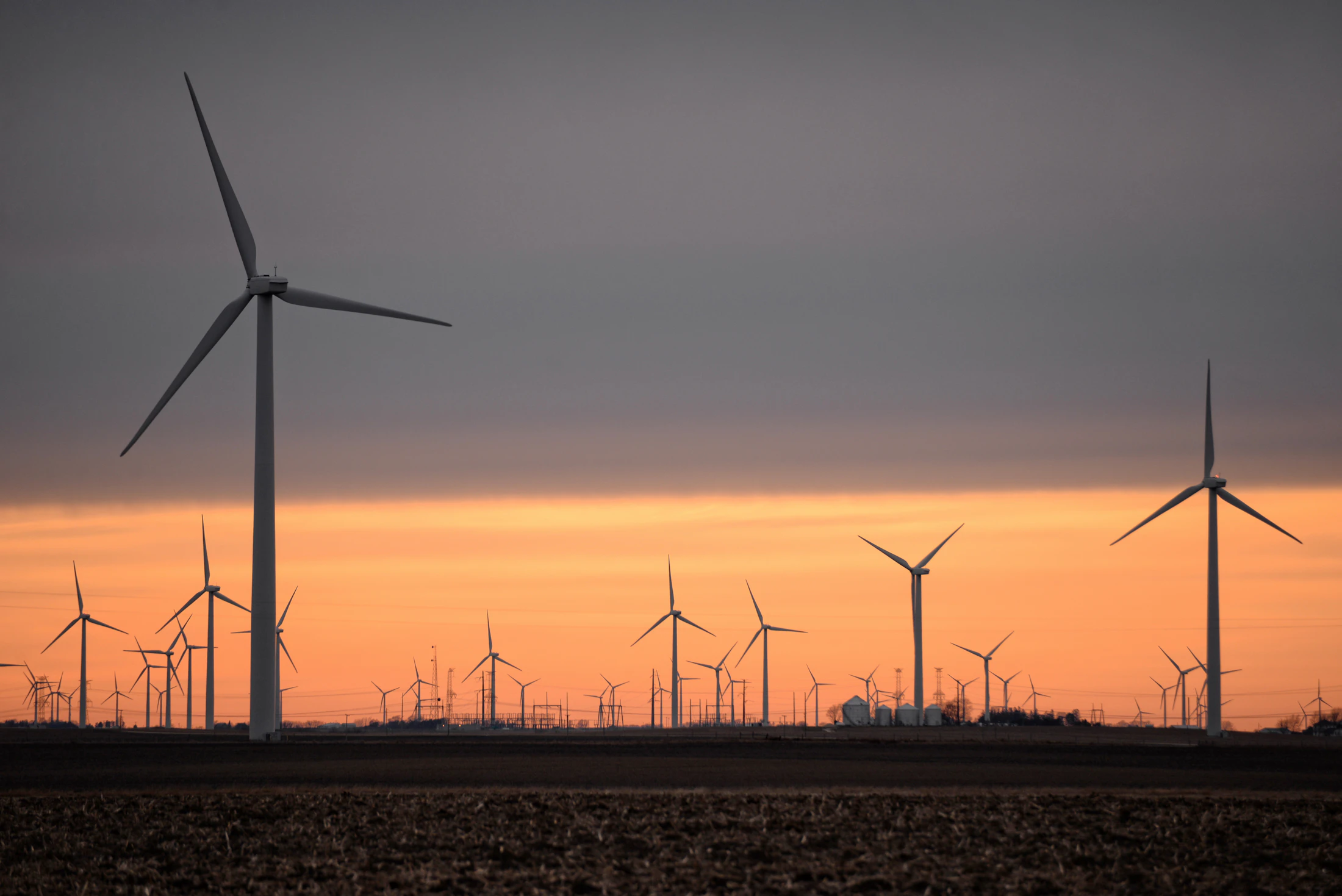
Solar output is concentrated in daylight hours and changes with cloud cover. Wind profiles depend on local weather patterns and may contribute at different times. Combining technologies can diversify generation, but the relationship must be measured at the proposed site rather than assumed.
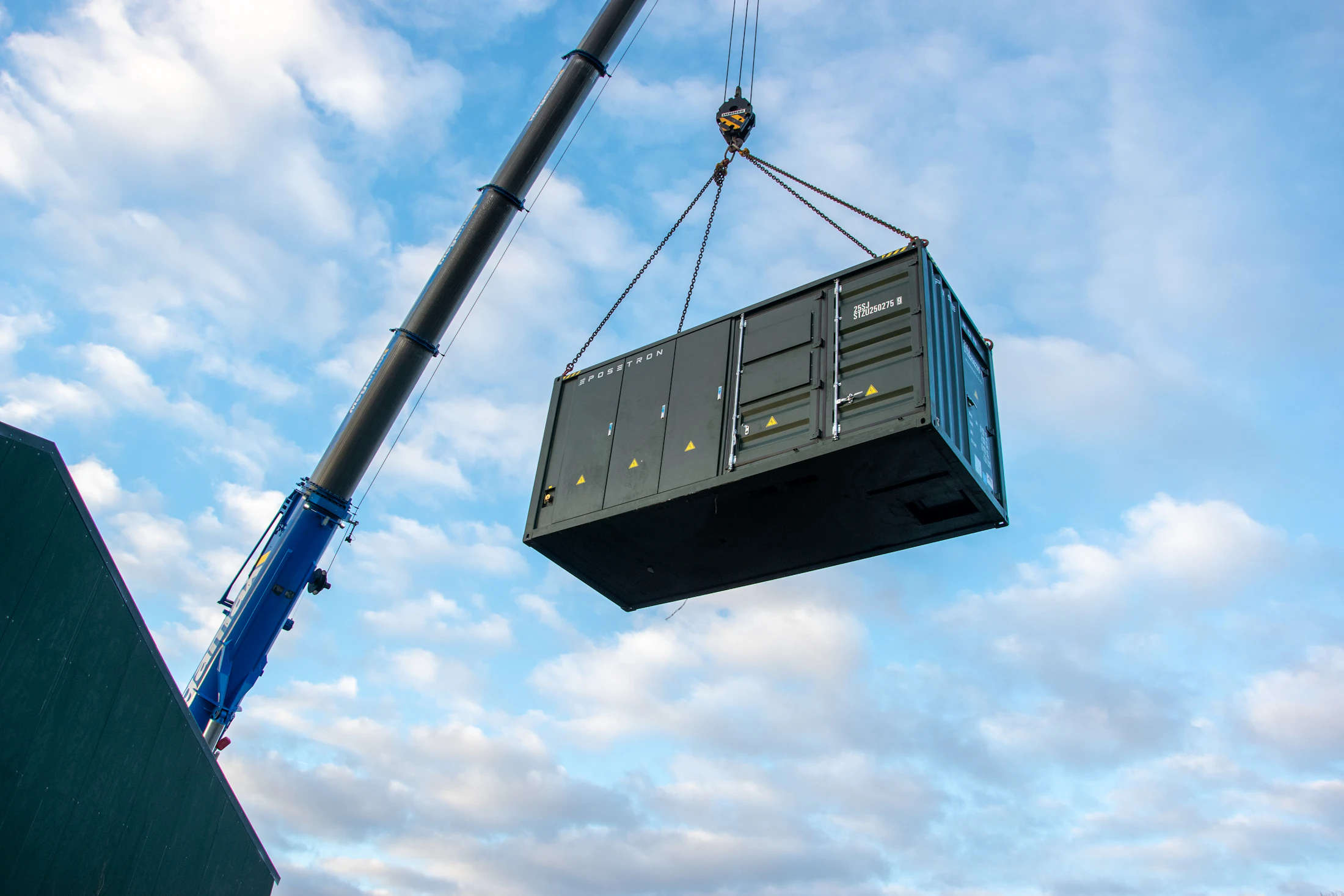
A hybrid assessment models hourly resource data, equipment constraints, connection capacity, curtailment and storage options. Shared substations or export infrastructure may reduce duplication, yet they also create controls and availability dependencies.
The project must consider land footprint, environmental sensitivities, access, maintenance and how each asset is metered and dispatched. Grid studies determine whether simultaneous output can be accepted or whether export limits bind.
Hybrid design is most useful when it starts with a clear system question: is the goal a smoother profile, better use of a connection, improved supply matching or another measurable need?
← All articles