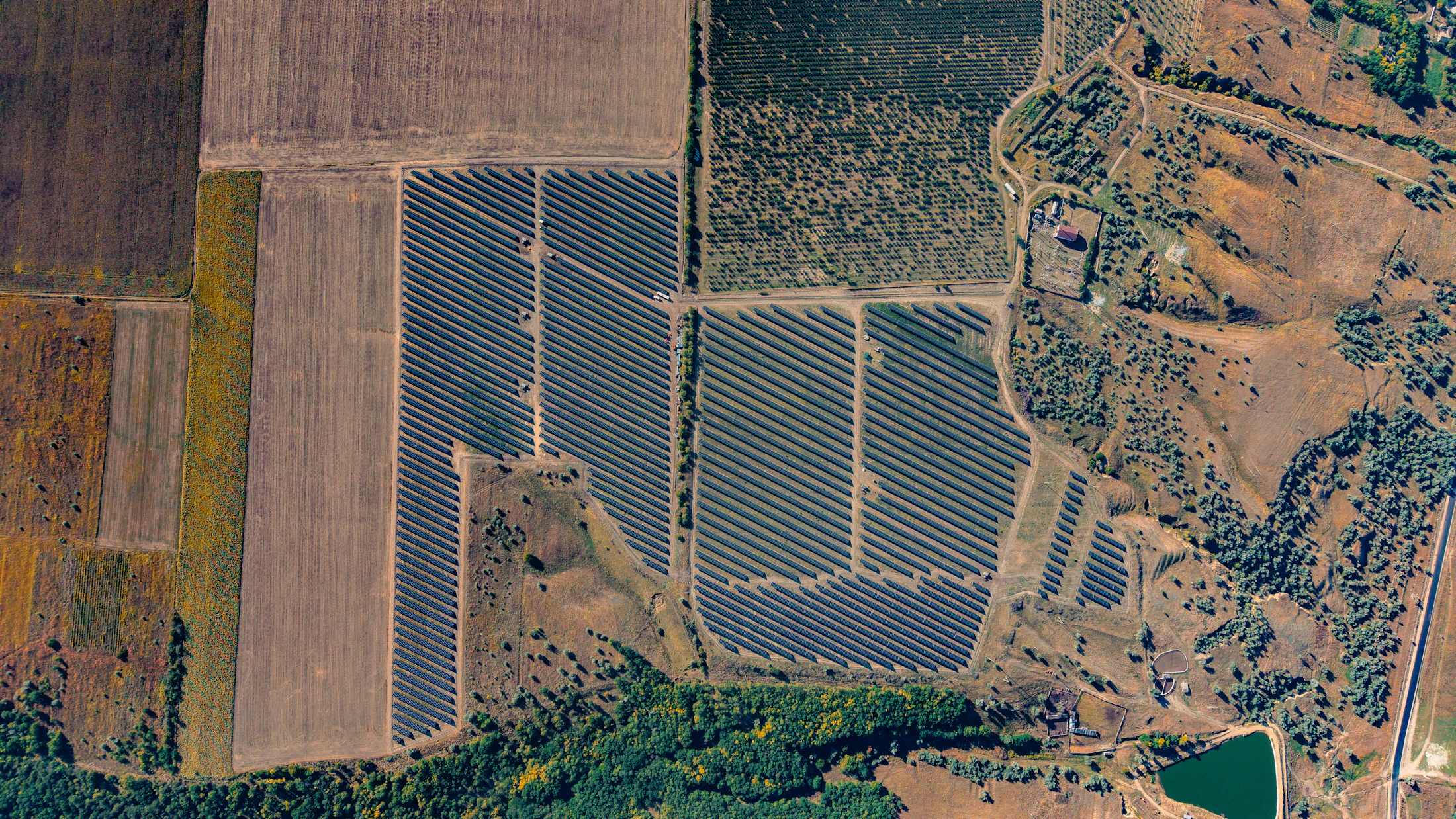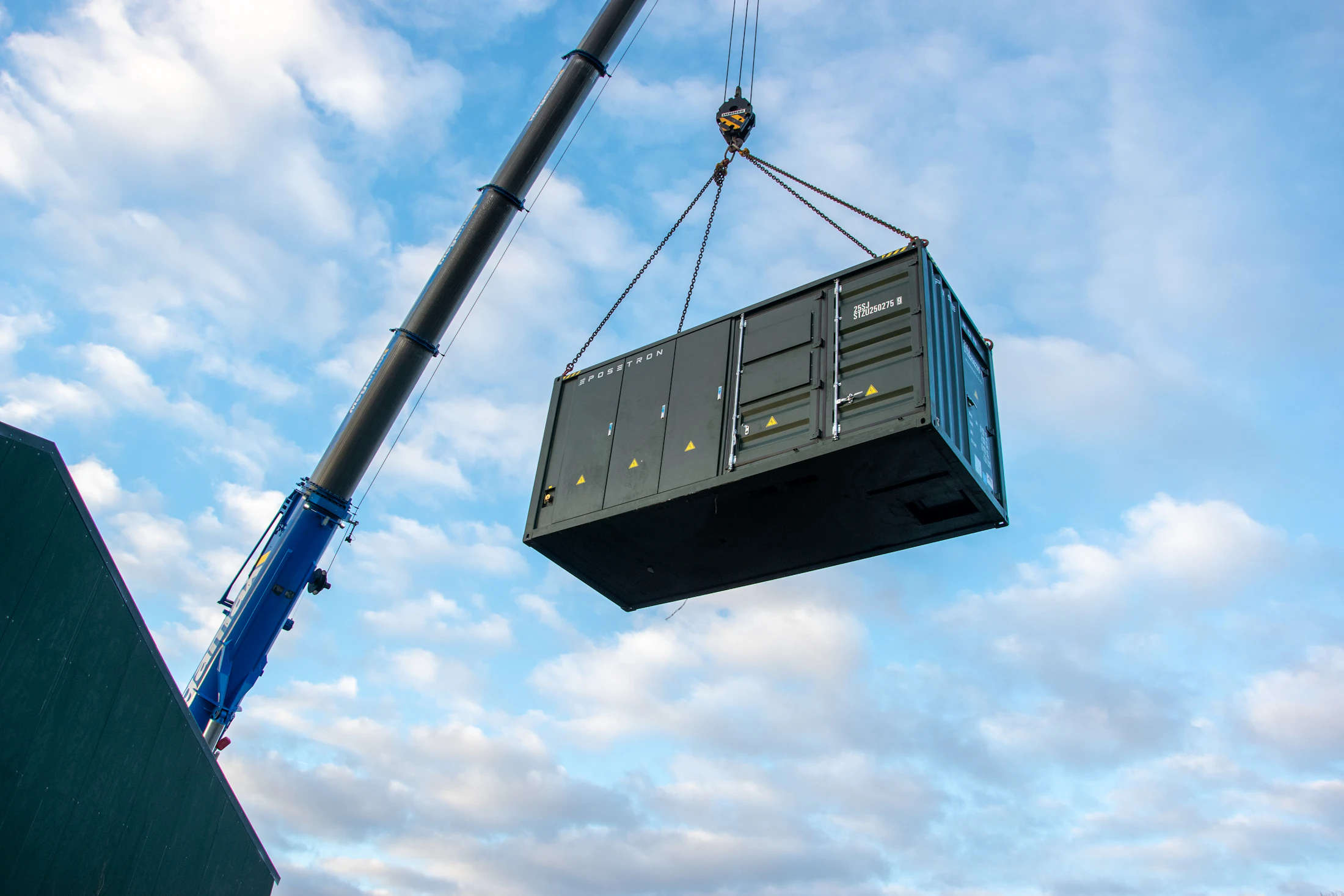
Wind and solar output changes with weather and time of day. Batteries can charge when supply is available and discharge later, making energy more dispatchable. Their effectiveness depends on usable capacity, connection limits, control settings and the operating duty.
Storage can respond quickly, but a battery is not a source of energy. It shifts electricity and loses some energy in the process. Project assessment should account for efficiency, degradation, cycling, availability, safety systems and end-of-life pathways.
At a business site, a battery may help manage short peaks or support a resilience strategy; grid-connected systems may provide services subject to market rules. These uses can conflict, so dispatch priorities and commercial assumptions require explicit analysis.
The right question is not simply “how large should the battery be?” It is “which need is being solved, how often, under which constraints, and with what evidence of value?”
← All articles