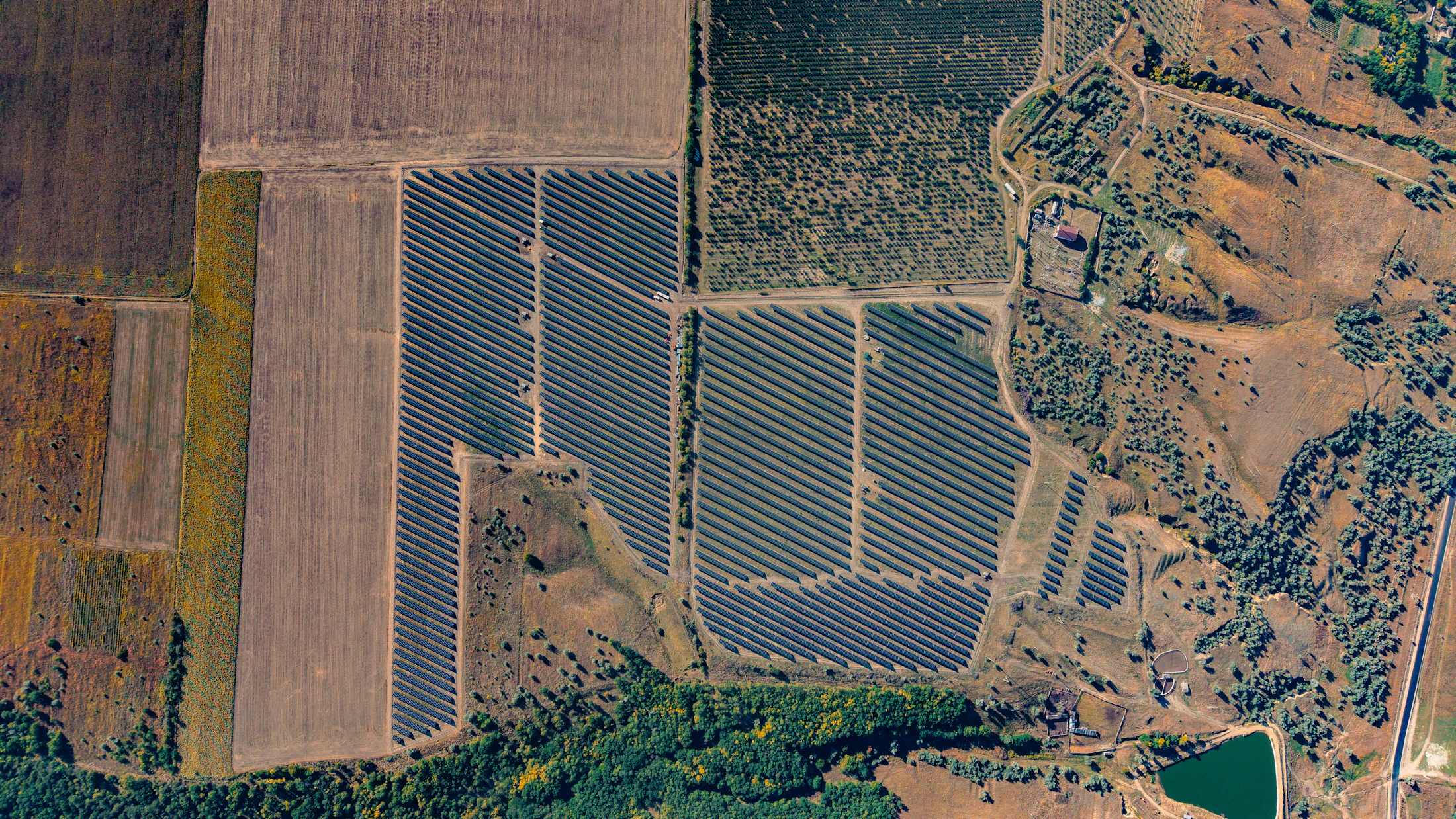
A utility-scale solar project is a sequence of evidence-based decisions. The first question is not how many panels fit on a map, but whether land, sunlight, access, grid capacity and local constraints can support a responsible project.
Early work combines resource data, terrain, land rights, ecology, drainage, transport and grid options. A concept layout tests likely generation, electrical design and construction access. At this stage, estimates are screening tools—not promised output or commercial returns.
If a site remains promising, specialist studies and grid applications add detail. Permitting and stakeholder engagement should be planned as core development work. Engineering then refines equipment, safety, procurement, construction and monitoring plans.
Before a project is ready to build, its assumptions, approvals, connection arrangements, delivery responsibilities and long-term operating plan need to be clear. Each jurisdiction has its own process; there is no universal timeline or guaranteed outcome.
← All articles