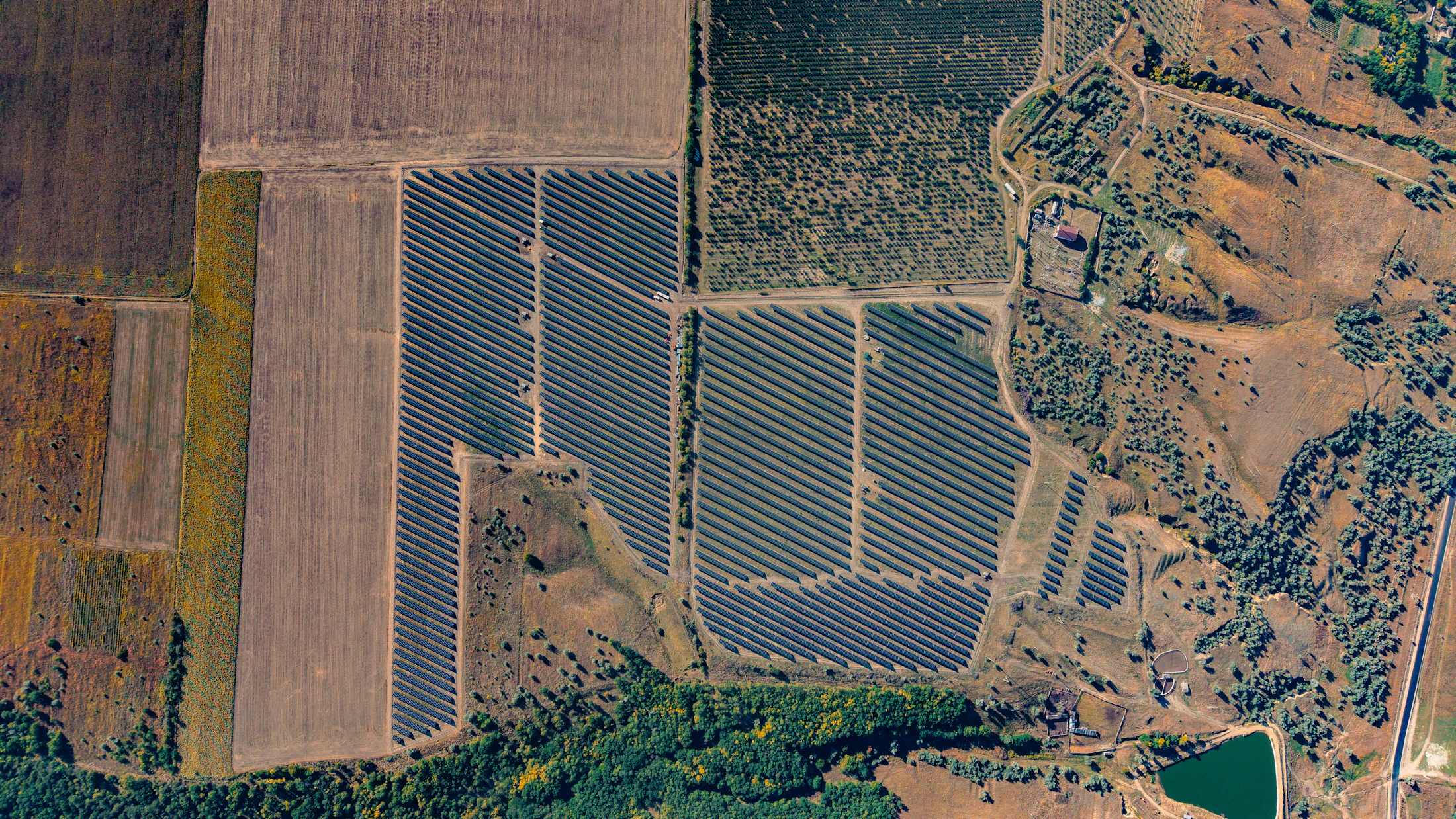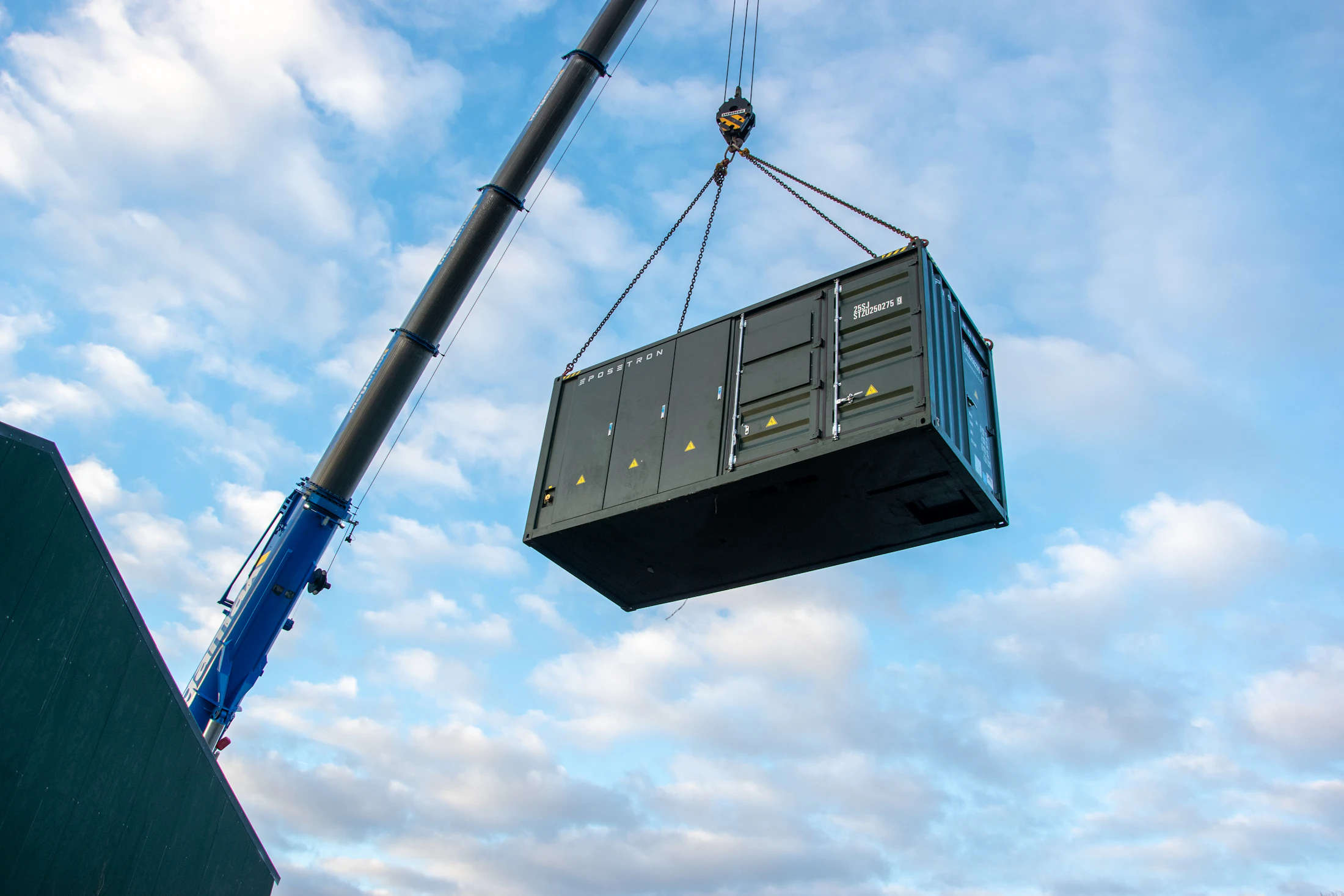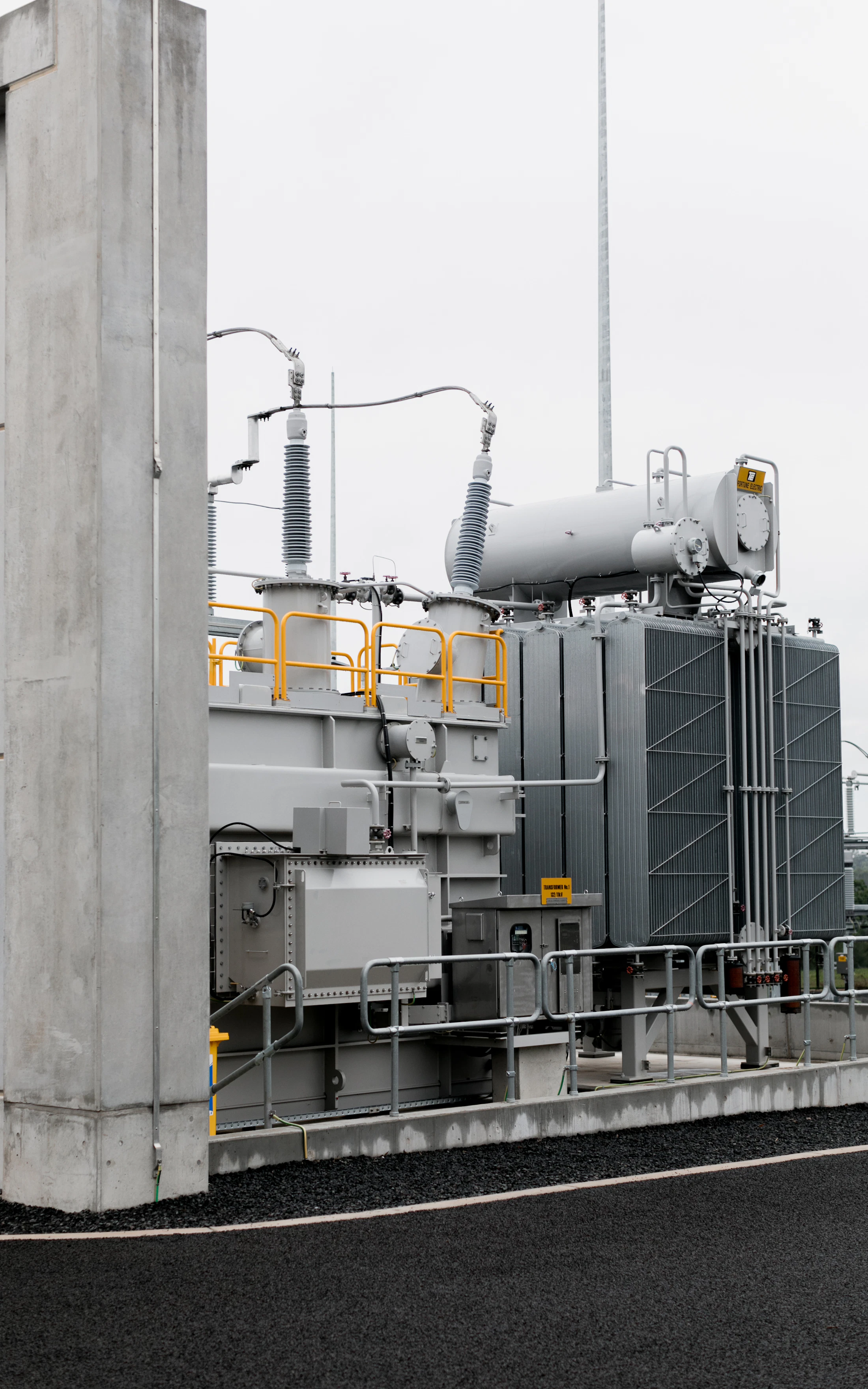
Electricity systems must balance supply and demand continuously. Variations in renewable output, outages and changing consumption create a need for resources that can respond at different speeds and durations.
Flexibility can come from dispatchable generation, interconnection, storage, demand response and better forecasting. Each resource has operating limits. A battery may respond quickly but has finite energy; industrial demand may shift only within production constraints.
Grid operators use technical rules and market arrangements to procure balancing and ancillary services. Participation requires telemetry, control capability, performance evidence, licensing where applicable and clear settlement arrangements.
Flexibility is a system property, not a single technology. Planning works best when the need, location, response time and duration are specified before selecting an asset.
← All articles